A material found in crab and shrimp shells ,usually thrown out by the seafood trade, was made into a gel and used as the working fluid inside a zinc battery. The zinc anode ran for more than 1,000 cycles at 99.7 percent Coulombic efficiency.
Space Daily
3 h
 Barbados
Barbados
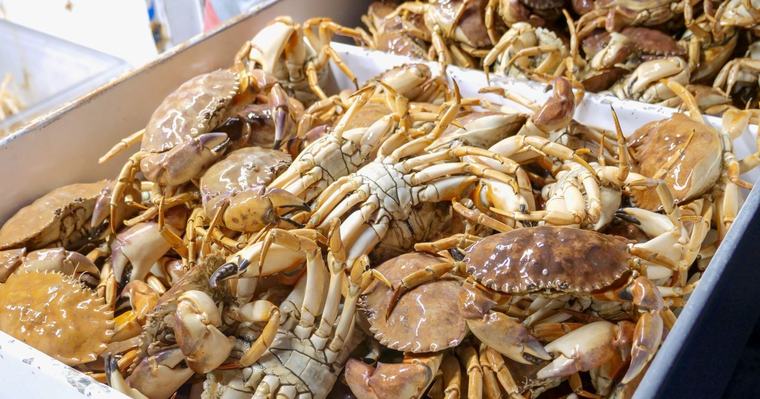
Researchers turned seafood waste into a battery fluid that outlasted conventional alternatives, suggesting a path toward cheaper, greener energy storage. The post A material found in crab and shrimp shells ,usually thrown out by the seafood trade, was made into a gel and used as the working fluid inside a zinc battery. The zinc anode ran for more than 1,000 cycles at 99.7 percent Coulombic efficie
See all — Space Daily →Aggregated from the leading newsrooms of the country. Every story links to its original source.